

CASE STUDYDesignOps for Accenture
INTRODUCTION
Managing DesignOps across APAC and standardization how 100+ designers worked, collaborated, and delivered.
In today’s world, digital transformation is about creating captivating experiences digitally using marketing, technology and design. Within Accenture Interactive’s multi-talented team, sits the heart of the Design Pillar. This full-service design team encompasses: Interaction Design, Visual Design, Service Design, Creative Tech, Research and Copywriting.
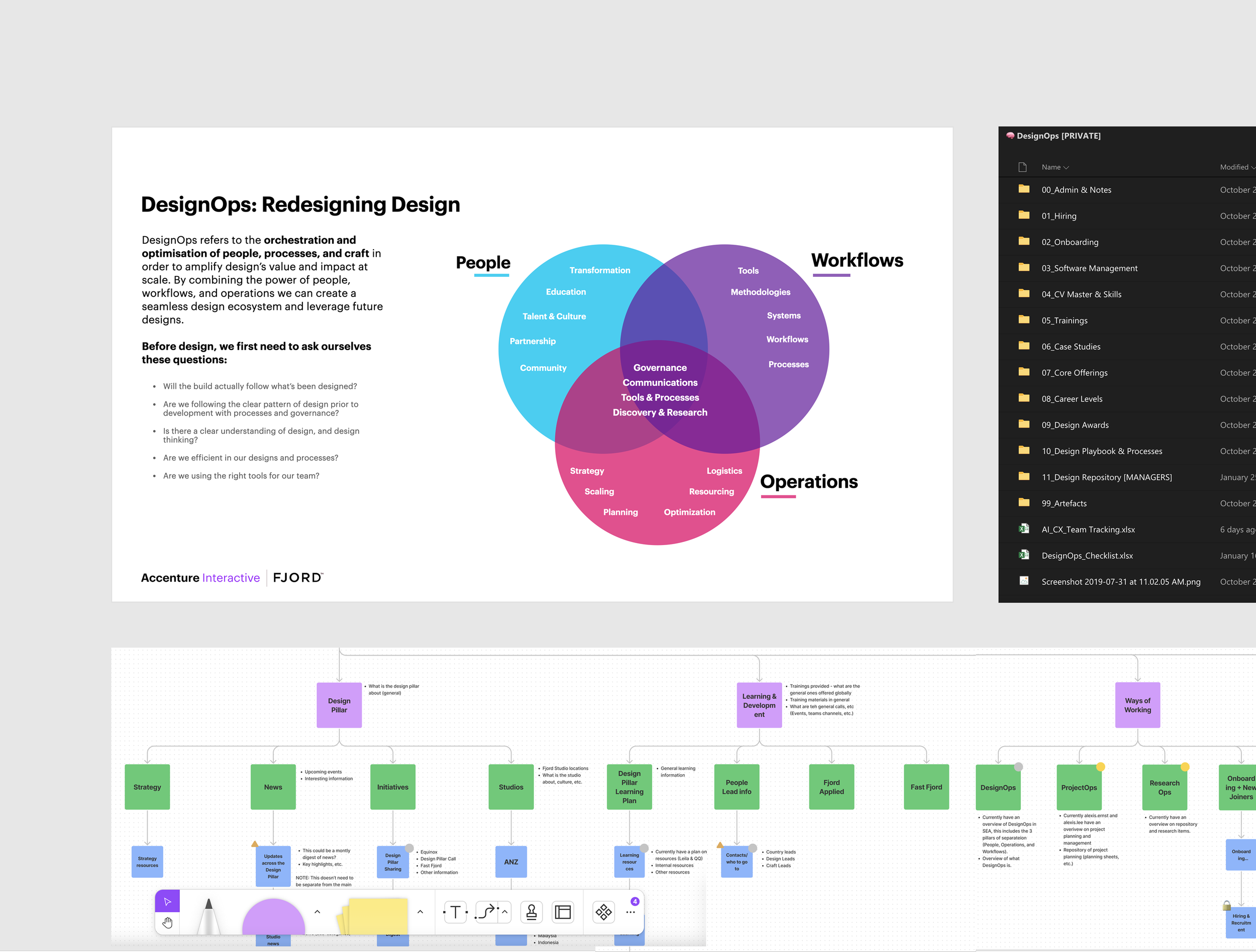
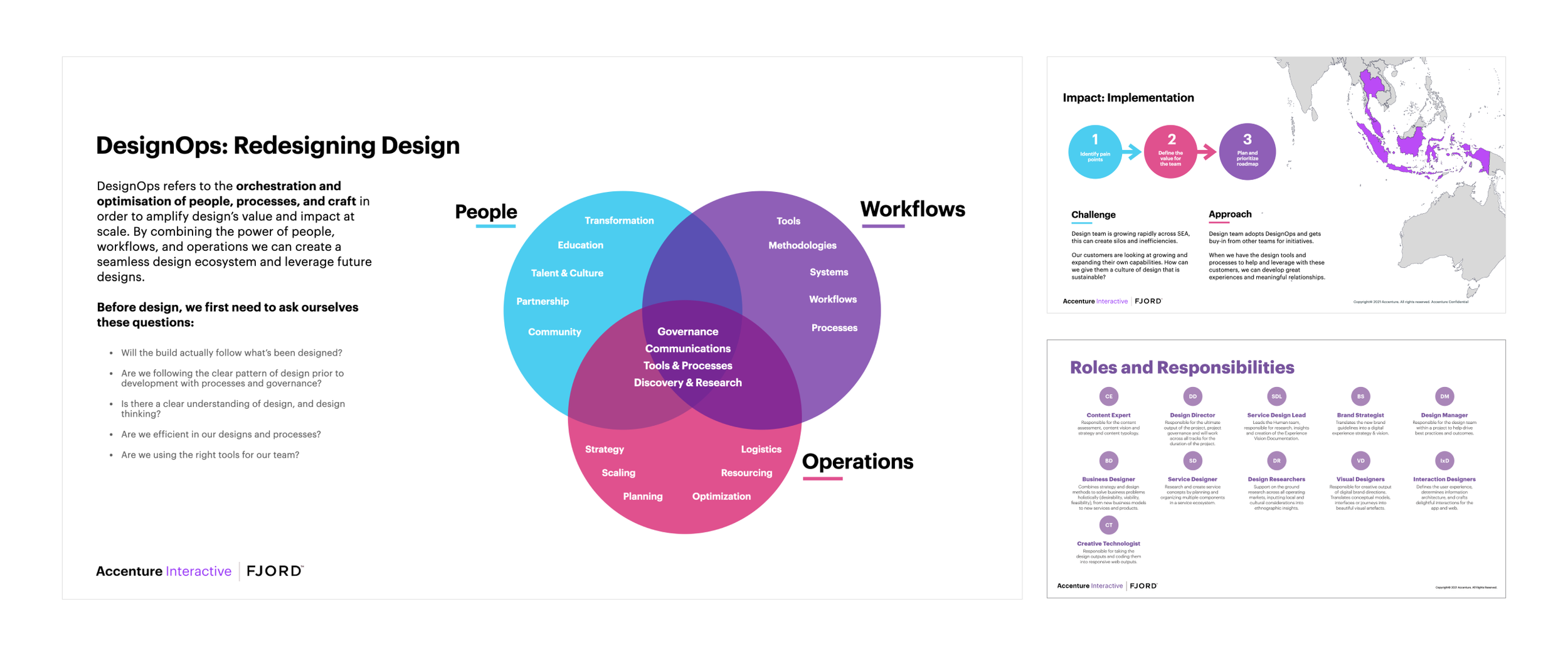
DesignOps refers to the orchestration and optimization of people, processes, and craft in order to amplify design’s value and impact at scale. As companies invest in design and technology capabilities, there needs to be a clear prioritisation, hiring, and processes within teams to allow designers to focus on their craft. Allowing designers to design the best possible experiences for our customers.
Accenture + Fjord
Client
DesignOps Manager
Role
2019-2022
Year
Management, Program Management
Services
Create and scale seamless work flow
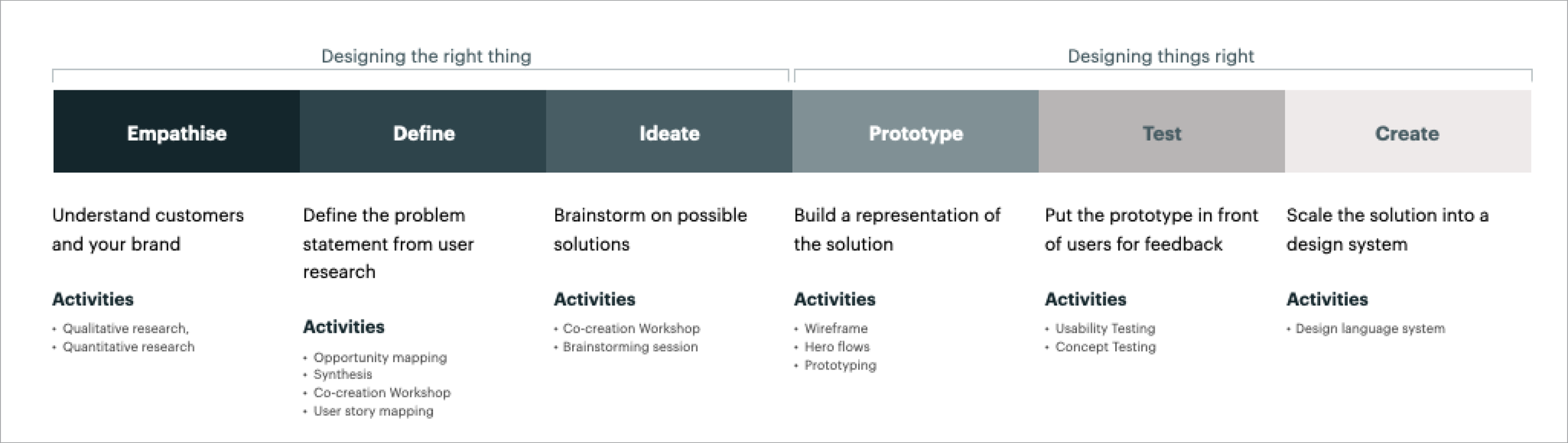
Define and implement repeatable DesignOps processes that support design leads and their teams in executing vision and strategy effectively. This includes optimized proposals and resource planning across diverse project types and industries, ensuring the right talent mix based on budget, timeline, and client needs.
Enable designers to focus on design
Create seamless planning, onboarding, knowledge sharing, and workflows that remove operational friction. This allows designers to focus on delivering world-class digital experiences while improving the quality and clarity of plans delivered to clients.
GOALS

100+
Designers, researchers, and creative technologists across SEA.
-2 weeks
Onboarding time saved from 1+ month to 2-weeks or less.
30%
Of time allocation to the role for the benefit of the entire design team.
Define and implement repeatable processes
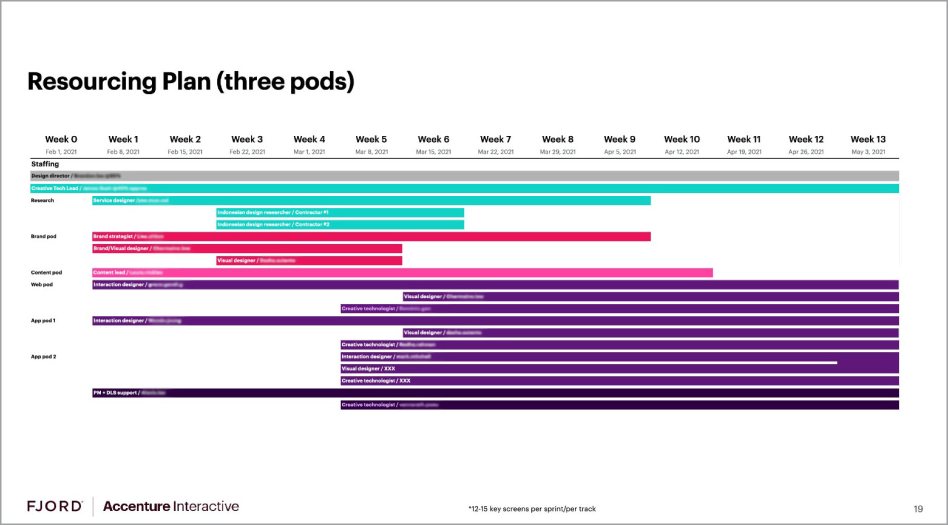
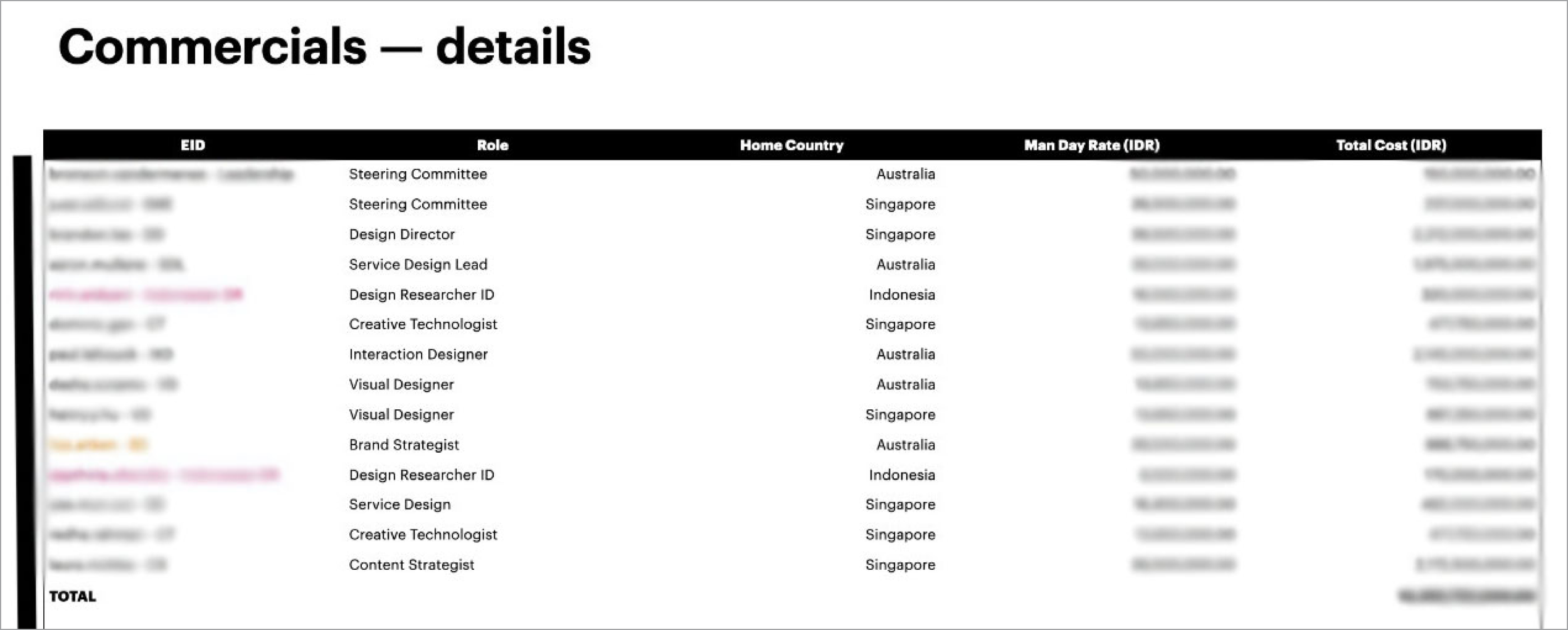
Clearly define and implement repeatable process to fit every type of project — including overall planning and guidance principles. Then planning with teams and other managers on best resource allocation-fit based on budget, timeline and desired level of designers that best fit within that project type.
Planning and resource allocation
Overall, the importance of DesignOps is often over-looked. Having governance for a design team that enables designers to grow and thrive is key to a successful team and successful projects out outcomes. Working on these initiatives internally and with clients taught me that DeisgnOps is not “one size fits all”. There are many different types of teams and the level of acceptance for design varies across companies and industries.
APPROACH
Challenges
Overall, the importance of DesignOps is often over-looked. Having governance for a design team that enables designers to grow and thrive is key to a successful team and successful projects out outcomes.
DeisgnOps is not “one size fits all”. There are many different types of teams and the level of acceptance for design varies across companies and industries.
Opportunities
Strengthen operational levels within design teams to better manage people in multiple different projects, and to better integrate a culture of design within the digital transformation process.
Create and define standardisation for internal planning, operational methodologies, and guidelines to facilitate adoption across multiple teams to reduce inefficiencies and improve team communication across ASEAN and globally.
Onboarding new team members with purposes
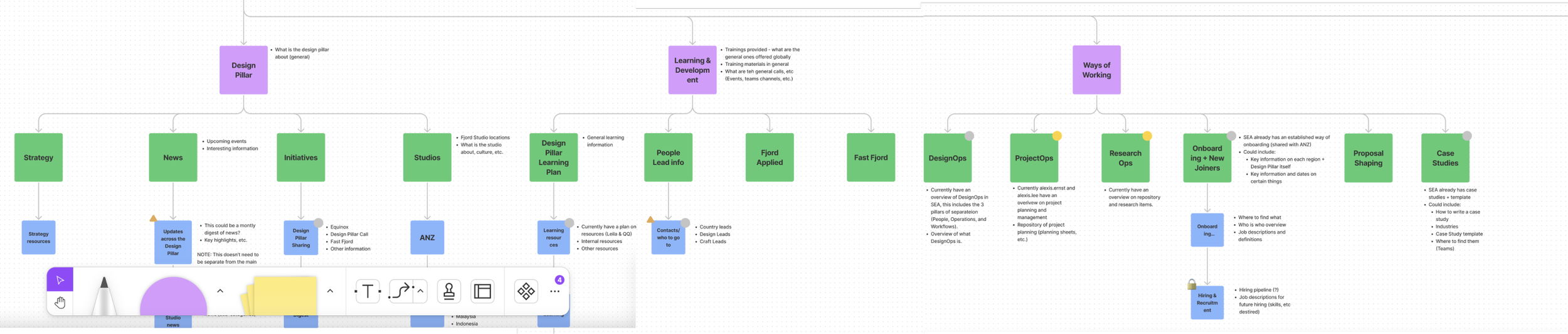
The absence of structured onboarding was affecting not only new designers but also experienced designers and managers. This raised the question to start with the basics: Is there a better way to manage this while preserving design team values?
The new onboarding framework was quickly adopted by other teams and scaled across 500+ people within the ASEAN region. Over time, the DesignOps approach evolved within the ASEAN team and was later expanded across the APAC region
Defining scalable processes and roadmaps
Improved processes and roadmaps for a large design team in a consulting firm and shaping how teams come together for projects of any size, building stronger pitches, and guiding work from planning through delivery.
Brought in best practices that made projects more visible and helped the team respond faster when challenges popped up, strengthening how we delivered work across the board.
Design standardisation with the use of tools and templates that we provided for the designers.
Creating a repository of “best in class” examples and templates, we could help guide all types of designers. This wasn’t just limited too tools, it also included trainings and interesting topics that were found and shared.
CORE OUTCOMES

OnE SOURCE OF TRUTH
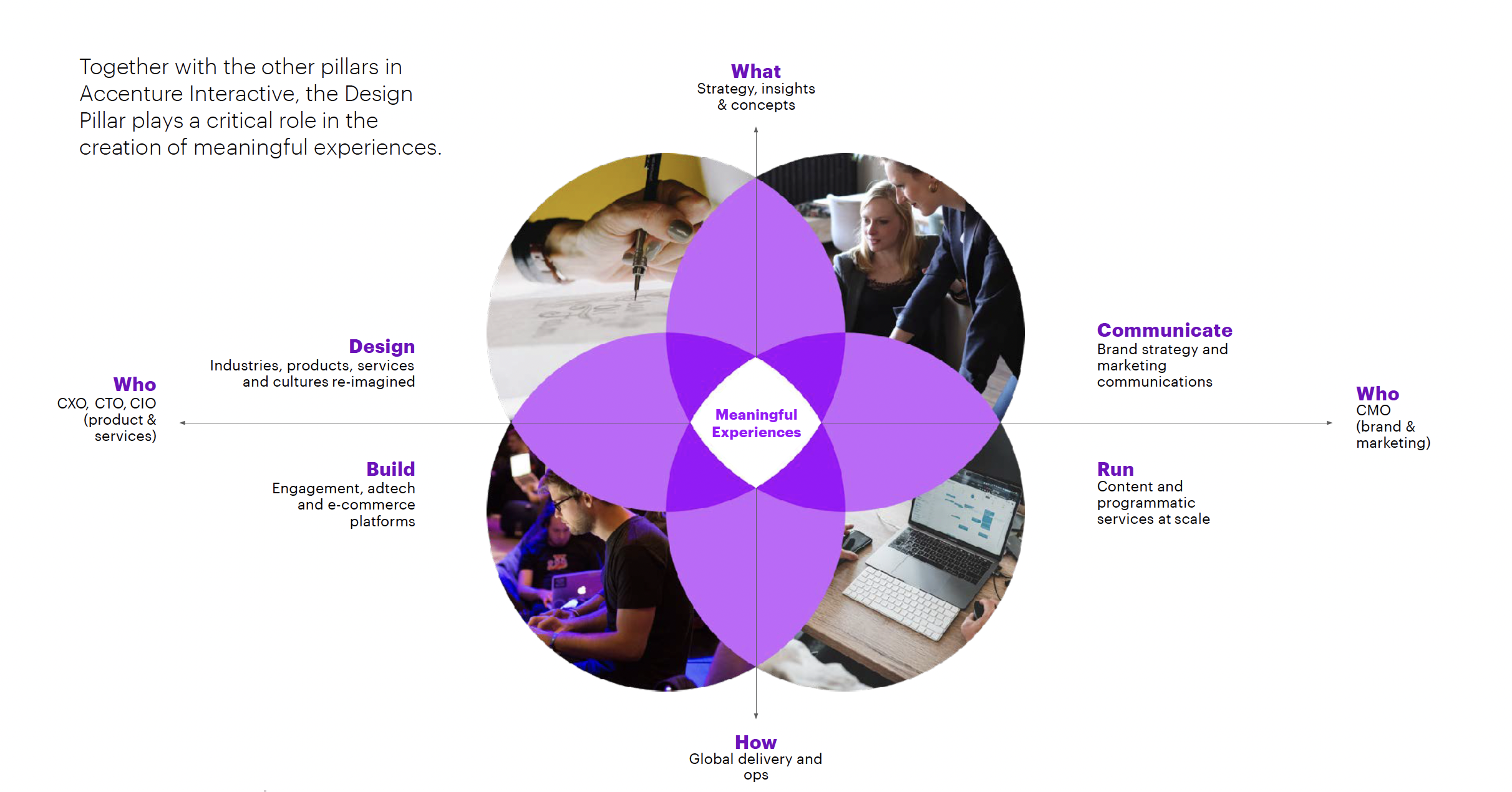
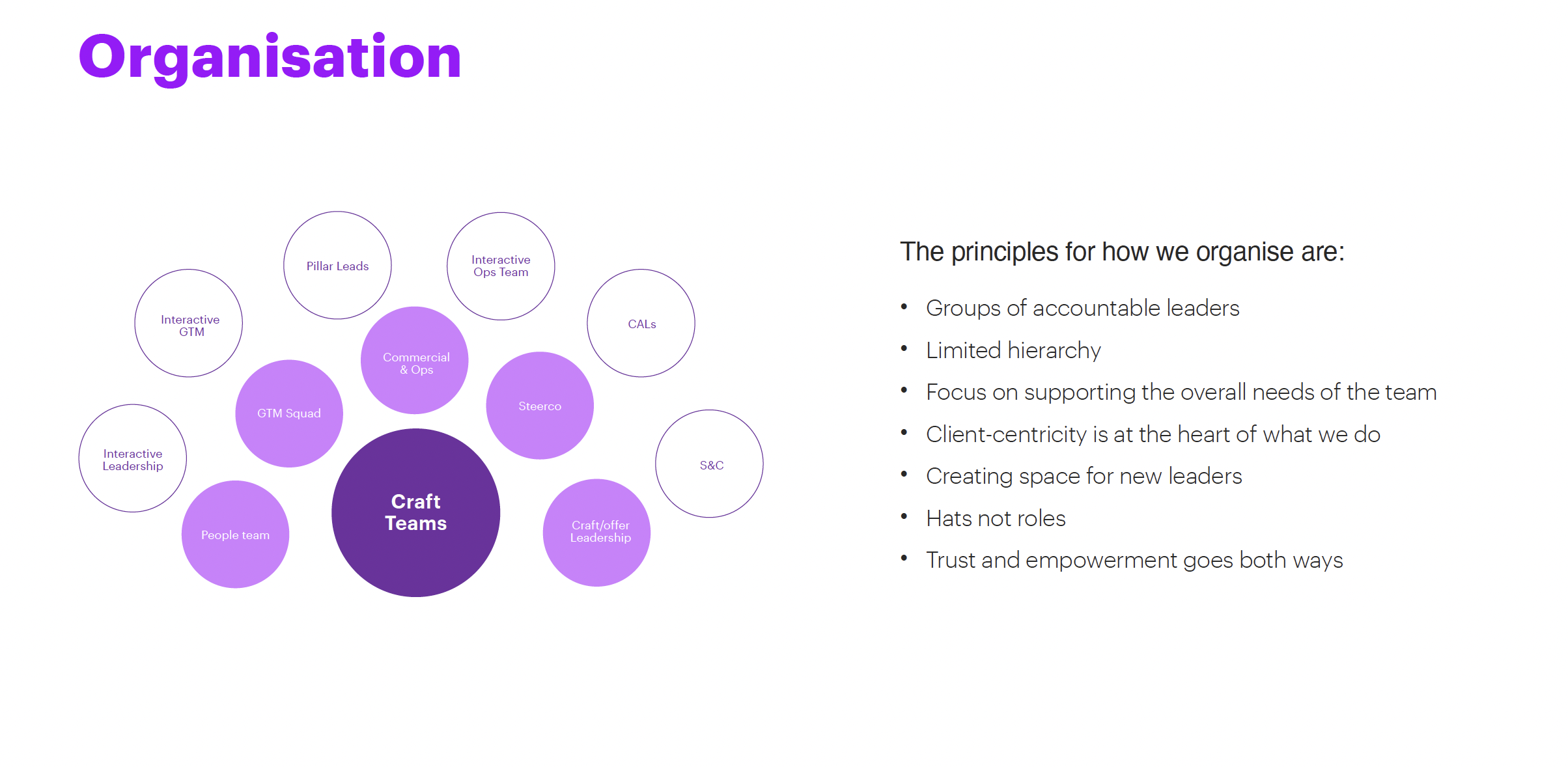
Created and defined standardisation for internal planning, operational methodologies, and guidelines to facilitate adoption across multiple teams (expanded from ASEAN and APAC across multiple teams) to reduce inefficiencies and improve team communication across ASEAN and globally.
DesignOps as a Strategic Enabler
DesignOps is often underestimated, yet strong governance is critical to enabling designers to grow, thrive, and consistently deliver successful projects. DesignOps is not one size fits all. Team structures, levels of design maturity, and industry contexts require tailored approaches to ensure effective adoption.
Operational Impact and Scalable Standards
Strengthened operational leadership within design teams to manage people across multiple projects and embed design culture into digital transformation. Defined and scaled standardised planning, operational methodologies, and guidelines from ASEAN and APAC to global teams, reducing inefficiencies and improving communication across regions.
KEY LEARNINGS